
A Week of Silence: My Meditation Retreat Experience
I am a lawyer. I argue for a living. The idea of not speaking for five days seemed not just difficult but contrary to my nature.
But I had reached a point where my own mental noise was louder than any courtroom. Anxiety, rumination, the endless internal monologue - it was exhausting. A colleague who had done vipassana suggested I try a silent retreat. "It's the only way to actually hear yourself," she said.
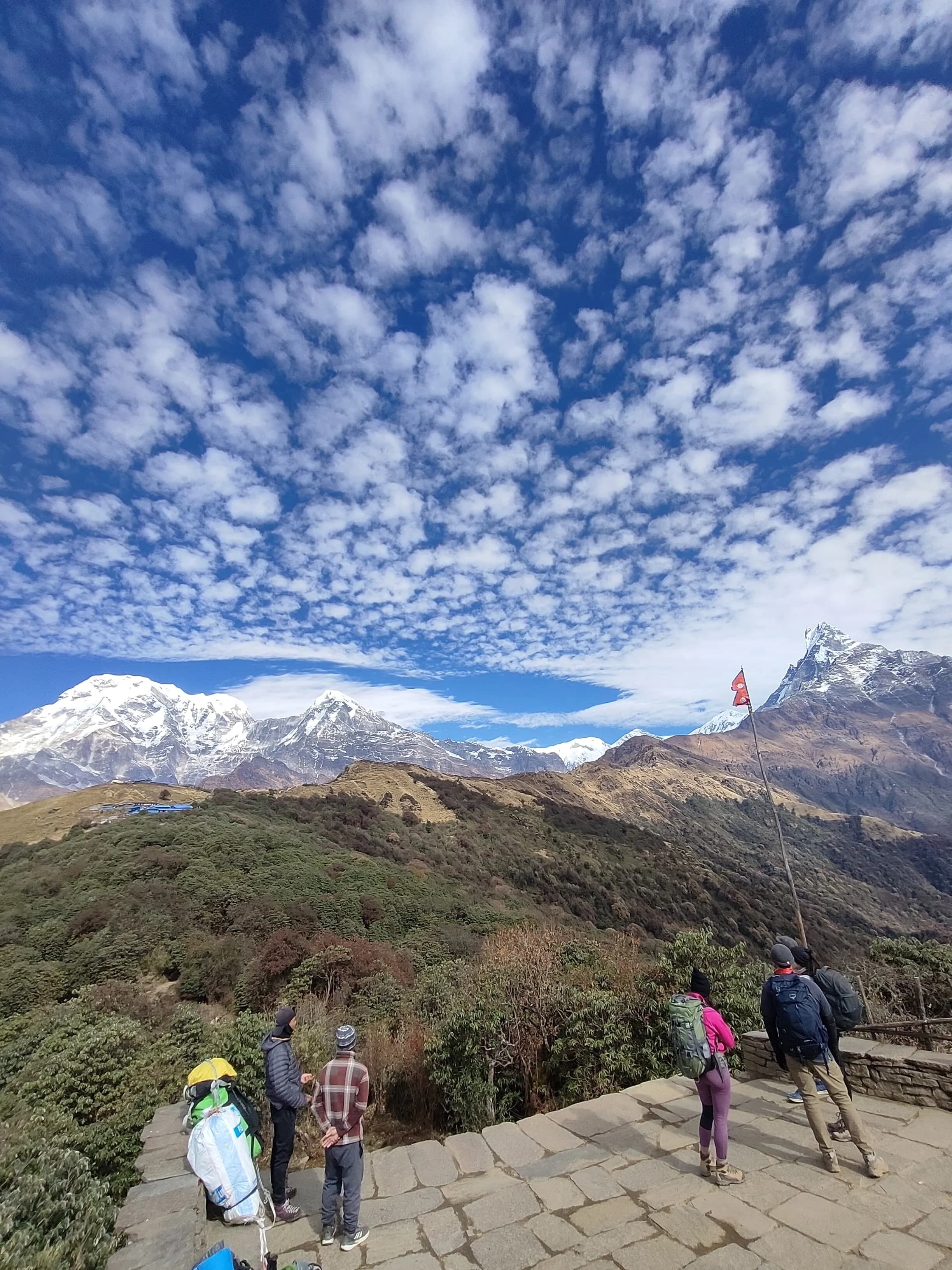
I chose this retreat in Nepal because it was shorter than traditional vipassana (five days versus ten) and because the setting sounded conducive. Mountains, village quiet, no tourists. My skeptical mind accepted it as a reasonable experiment.
The first day was torture. My mind screamed for stimulation. I wanted to check email, make conversation, anything to escape the silence. During meditation sessions, my thoughts raced faster than ever.
By day three, something shifted. The silence stopped feeling like deprivation and started feeling like liberation. Without speech, without input, my mind gradually slowed. I noticed thoughts arising and passing. I watched my own mental patterns with new clarity.
The gentle yoga supported the meditation practice - just enough movement to process what arose, not enough to become distraction. The teachers gave guidance through notes when needed, but mostly we were left with ourselves. Which was, of course, the point.
I left the retreat with something I hadn't had in years: genuine quiet inside. Not permanent - the noise returns - but now I know it's possible. I know the tools. I practice them daily.
Silence is not absence. It is presence. If your mind has become too loud, consider taking five days to listen to the quiet. The mountains of Ghachowk are excellent companions for this work.
“By day three, the silence stopped feeling like deprivation and started feeling like liberation.”
Hans W.
Germany
Completed Silent Meditation Retreat in August 2024