
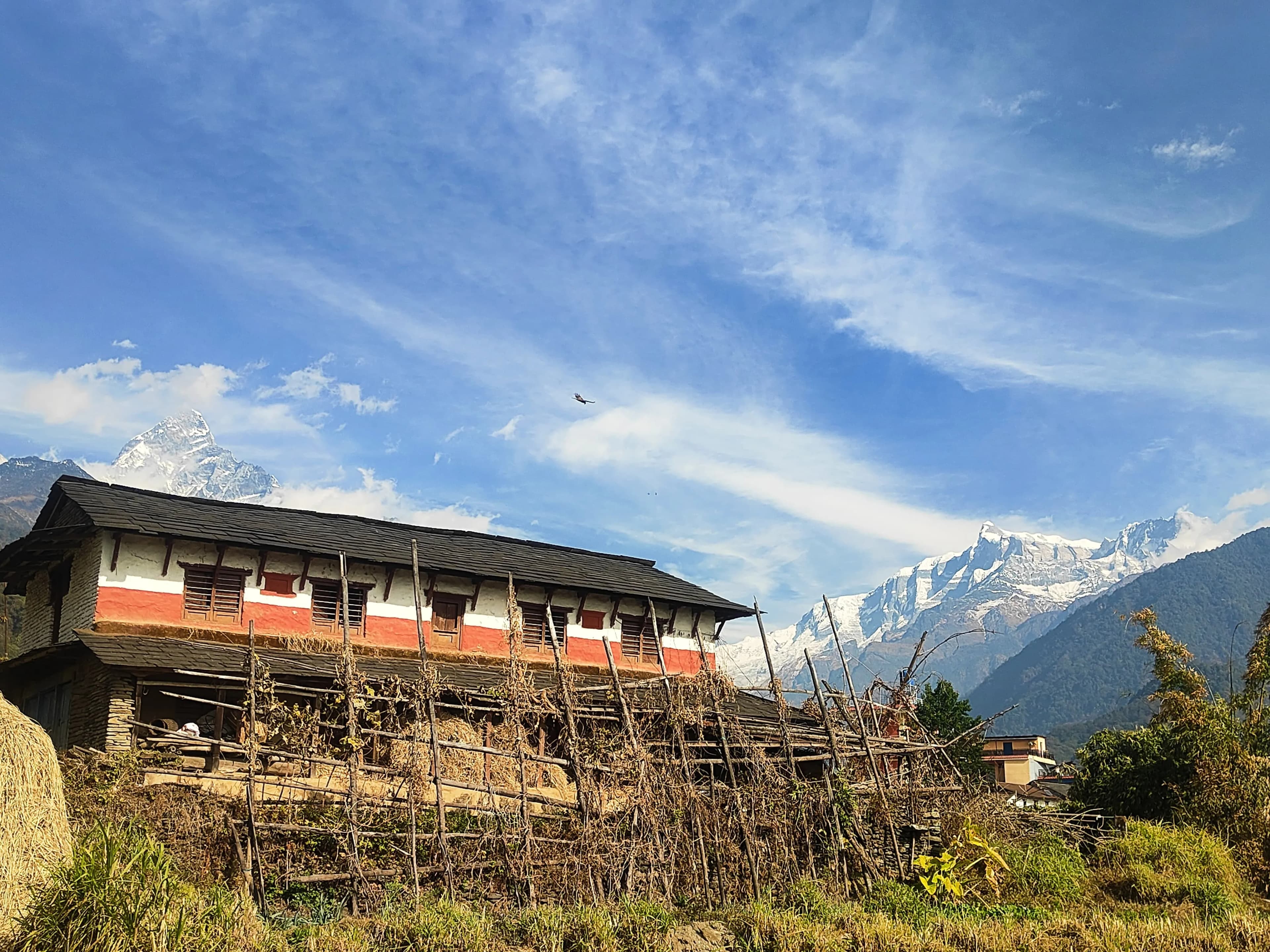
Prepare, Recover, Trek Better
Yoga for Trekkers
Specialized yoga for Himalayan adventurers. Strengthen what treks demand, recover what they deplete, and learn breathing techniques for altitude.
Yoga Designed for Himalayan Adventures
Pokhara is the gateway to some of the world's best trekking - Annapurna Circuit, Annapurna Base Camp, Poon Hill, Mardi Himal. Whether you're preparing for the mountains or recovering from days on the trail, yoga can make the difference between struggling and thriving.
Trekking demands specific physical qualities: strong legs, flexible hips, stable knees, efficient breathing. Our trekker-focused classes target exactly these areas. We also teach pranayama techniques that improve oxygen efficiency - invaluable at altitude.
Post-trek recovery is equally important. Days of descending hammer the knees. Hours with a pack tighten the back. Hip flexors seize from endless stepping. Our recovery sessions release what trekking compresses, restoring mobility and reducing delayed soreness.
Combine yoga with trekking on our yoga trek. Explore more about yoga in Nepal and the Himalayan tradition.
What to Know Before Class
Timing Matters
Pre-trek: start 1-2 weeks before departure with 3-4 sessions minimum. Post-trek: come within 1-3 days for best results while muscles are still responsive.
Injury Disclosure
Inform us of any injuries, old or new. Trekking often aggravates old injuries - we can modify poses to protect vulnerable areas and strengthen weak points.
Pack Weight Awareness
If you'll be carrying a heavy pack, let us know. We'll emphasize core and shoulder strength to prepare you for the added load.
Route Specifics
Different treks demand different preparations. Annapurna Base Camp needs different prep than Poon Hill. Share your route and we'll tailor accordingly.
Listen to Your Body
Trekking fatigue is real. If you're exhausted, recovery sessions will be gentler. Pushing through pain serves no one - honor your recovery needs.
Class Structure for Trekkers
75-Minute Targeted Sessions
Assessment (5 minutes)
Check-in about your trek plans, current fitness, and any concerns. Whether you're preparing or recovering, we tailor the session to your needs.
Pre-Trek Focus (35 minutes)
Standing poses for leg strength, balance sequences, lunges and hip openers, core stabilization, and altitude breathing techniques.
Post-Trek Focus (35 minutes)
Long-held hip releases, IT band work, gentle knee mobilization, back relief from pack strain, and restorative integration.
Recovery Integration (10 minutes)
Extended relaxation with specific attention to tired muscles. Often includes yoga nidra for deep restoration after demanding trekking.
Two Programs, One Goal
Pre-Trek Preparation
All Levels
Strengthen legs, open hips, build balance, and learn altitude breathing techniques before heading to the mountains.
- • Leg strength: standing poses, chair variations, warrior sequences
- • Hip mobility: lunges, pigeon, figure-four stretches
- • Balance work: tree pose, eagle, single-leg standing
- • Pranayama: breath efficiency techniques for altitude
- • Core stability: plank variations, boat pose
Post-Trek Recovery
All Levels
Release tension, restore mobility, and speed recovery after returning from the mountains.
- • Hip release: long-held stretches for tight hip flexors
- • IT band work: foam rolling and stretch sequences
- • Knee care: gentle movements to reduce joint stress
- • Back release: twists and gentle backbends for pack strain
- • Full body restoration: restorative poses with props
Our Trekker-Focused Approach
Designed by Those Who Know the Mountains
Targeted Preparation
We focus on the specific muscles and movements trekking demands: quads, hamstrings, glutes, hips, ankles, and feet. Every pose serves your trekking goals.
Altitude Breath Training
Pranayama techniques specifically chosen for high-altitude trekking. Kapalabhati builds lung capacity, Nadi Shodhana calms nerves, Bhastrika increases oxygen uptake.
Recovery Science
Post-trek recovery uses techniques from sports medicine and physical therapy. We understand trekking's physical toll and know exactly what to release.
Trekking Experience
Our instructors know these mountains. They understand Annapurna's challenges, have trekked these routes, and understand what your body will face.
Why Yoga for Trekking?
Better Performance
Flexible hips and strong legs mean easier uphills and more stable descents. Good balance prevents stumbles on uneven terrain. Efficient breathing makes altitude less challenging.
Injury Prevention
Tight muscles and weak stabilizers cause most trekking injuries. Yoga addresses both - strengthening what's weak, releasing what's tight. Reduces risk of knee pain, ankle rolls, and back problems.
Faster Recovery
Post-trek yoga flushes metabolic waste from muscles, restores range of motion, and reduces the days of stiffness that follow hard treks. You'll enjoy your time in Pokhara more.
Altitude Breathing
Learn pranayama techniques that improve oxygen efficiency and calm the nervous system. Valuable at 3,000m+, essential above 4,000m where every breath counts.
Mountain Connection
Yoga connects you consciously to the mountains you'll trek through. Practice reverence and awareness that transforms trekking from hiking to pilgrimage.
What Our Students Say
Verified reviews from real students
121 reviews

19 reviews
Marcel Noack
Germany
Just pay a visit and you will understand why this place is special. Authentic yoga teachings, peaceful environment, and wonderful hosts. A hidden gem in Pokhara.
Yoga RetreatLee Seung-hun
South Korea
The best yoga class in this city. With teachers who has warm heart.
Yoga ClassesTove Eklund
Sweden
Such a wonderful and empowering experience. Dedicated, hospitable and knowledgeable leaders. Clean and cozy facilities. Tasty and healthy food.
Yoga RetreatLise Crauwels
Belgium
Really nice spot to stay some days in Pokhara in between trekkings. Lovely yoga classes from Deepika 2 times a day. Oasis of peace with little garden in the center of Pokhara near the lakeside.
Yoga ClassesJoin hundreds of satisfied students
Get in TouchExplore More Yoga Styles
Discover more options within our yoga classes collection
Beginner Classes
Beginner-friendly yoga classes in Pokhara, Nepal. Small groups (max 6), no experience needed.
Ashtanga Yoga
Structured Ashtanga yoga practice in Pokhara following the traditional series.
Traditional Yoga
Authentic Indian yoga practice following ancient lineage traditions.
Advanced Yoga
Challenging advanced yoga practice for experienced practitioners.
What to Bring
Essential items checklist for your yoga class in Pokhara. Everything you need to know.
Class FAQs
Written by
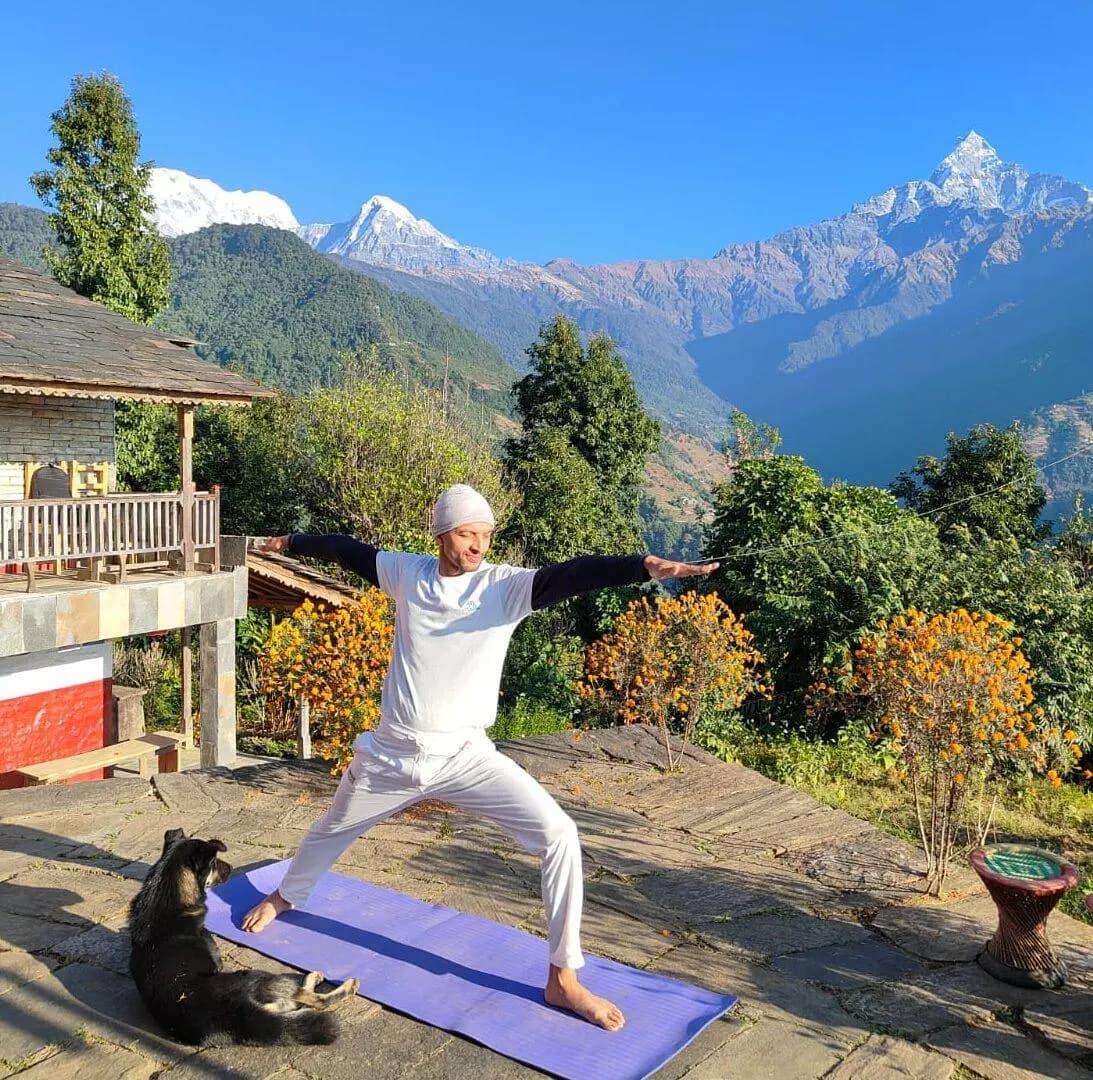
Swami AnandaSwami Ananda is the founder of Yoga in Pokhara, with over 10 years of teaching experience. Trained at ashrams in the Himalayas, he brings authentic yoga traditions to Pokhara, Nepal.
Trek Better With Yoga
Whether you're heading to the mountains or just returned, our trekker yoga classes help you perform better and recover faster.