
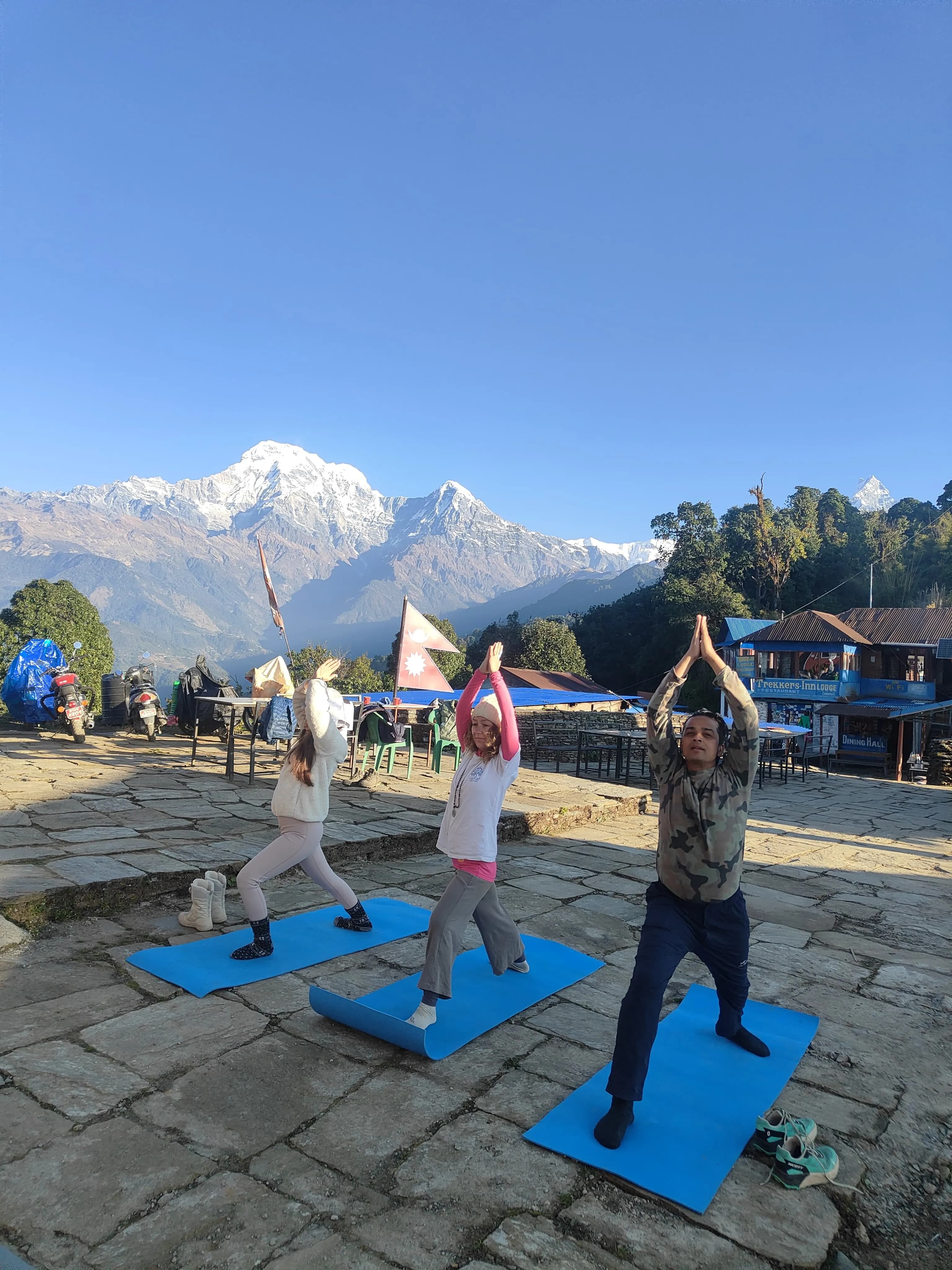
Disciplined Practice, Powerful Transformation
Ashtanga Yoga Classes
Authentic Ashtanga Vinyasa from the Mysore tradition. Mysore-style self-practice and Led Primary Series with breath-synchronized movement, ujjayi pranayama, and progressive challenge for dedicated practitioners.
What Is Ashtanga Yoga?
Ashtanga Vinyasa Yoga is a dynamic, athletic practice following set sequences codified by K. Pattabhi Jois in Mysore, India, based on the teachings of his teacher T. Krishnamacharya. Unlike creative Vinyasa flow, Ashtanga always follows the same order — Primary Series, Intermediate Series, and beyond. This structure is intentional.
By practicing the same sequence repeatedly, you internalize the movements and shift attention from "what's next?" to the subtleties of each pose. The practice becomes meditation through movement, with ujjayi pranayama (victorious breath) and the three bandhas (energy locks) creating internal heat and one-pointed focus.
Ashtanga builds extraordinary strength, flexibility, and discipline. It's challenging — there's no hiding from weak points. But for those who commit, the transformation is profound: physical power, mental clarity, and spiritual depth that other styles rarely achieve. Our Pokhara shala teaches Ashtanga as transmitted from Mysore, with our lead Ashtanga instructor having trained extensively at the source.
Ready to advance your Ashtanga practice? Our 300-hour Yoga Teacher Training includes advanced Ashtanga techniques. For a complementary traditional practice, explore our Traditional Indian Yoga classes.
Why practice Ashtanga in Pokhara? The clean Himalayan air makes pranayama deeper, the natural quiet of Ghachowk supports interior focus, and the post-trek body benefits enormously from Ashtanga's systematic strengthening. Practice 1,400 m above the bustle of Lakeside, with Annapurna in view from the shala.
Tristhana — The Three Points of Ashtanga
Asana (Posture)
The physical pose itself, with precise alignment. In Ashtanga, asanas are practiced in a fixed sequence, so the body learns the order and the mind can release planning. Posture is the visible part — but only one of three.
Ujjayi Pranayama (Breath)
Continuous slightly-constricted ocean breath through the nose, audible like the tide. Ujjayi heats the blood, regulates effort, and binds movement to breath. Without ujjayi, Ashtanga is just gymnastics. With it, every vinyasa becomes meditation.
Drishti (Gaze)
Each pose has a specific gaze point — nose tip, between brows, navel, thumb, hand, foot, or far horizon. Drishti steadies the mind by giving the eyes one job. Combined with ujjayi and bandhas, it produces the internal absorption Ashtanga is famous for.
Benefits of Practice
Physical Benefits of Ashtanga Practice
- Builds exceptional full-body strength and endurance
- Develops profound flexibility through consistent repetition
- Creates lean, functional muscle tone
- Increases cardiovascular fitness through continuous flow
- Improves balance and proprioception
- Strengthens core and stabilizer muscles
- Detoxifies through internal heat and sweating
- Develops body awareness and control
Mental & Spiritual Benefits
- Cultivates extraordinary discipline and dedication
- Develops intense concentration through drishti (gaze) focus
- Builds mental fortitude through challenging practice
- Creates moving meditation through breath-movement synchronization
- Develops humility and acceptance - showing up daily regardless
- Reduces stress through systematic purifying practice
- Builds self-trust and self-knowledge
- Creates foundation for deeper meditative states
Preparing for Ashtanga Practice
Consistency First
Ashtanga rewards regular practice. Even 20-30 minutes daily is better than occasional long practices. Build the habit before worrying about perfection.
Hydration & Food
Ashtanga builds significant heat. Hydrate well before class. Practice on empty stomach - no food 2-3 hours before. Electrolyte replacement can help in hot weather.
Rest & Recovery
Ashtanga is demanding. Quality sleep and rest days (Saturdays, moon days, ladies' holiday) are essential. Respect recovery as much as effort.
Patience with Progress
Ashtanga cannot be rushed. New poses are added only when previous ones are mastered. This may take months or years - trust the process.
Non-Slip Clothing
You will sweat heavily. Wear moisture-wicking, non-slip clothing that stays in place during inversions and jump-throughs.
Ashtanga Primary Series — Yoga Chikitsa
The full sequence in order, with Sanskrit pose names
Opening Mantra & Surya Namaskar A/B
Traditional opening invocation, then five rounds each of Surya Namaskar A and Surya Namaskar B with full vinyasa count. Establishes ujjayi breath rhythm and builds the internal heat (tapas) that powers the rest of practice.
Standing Sequence
Padangusthasana, Padahastasana, Trikonasana, Parsvakonasana, Prasarita Padottanasana A–D, Parsvottanasana, Utthita Hasta Padangusthasana, Ardha Baddha Padmottanasana, Utkatasana, Virabhadrasana A & B. Builds alignment, leg strength, and balance.
Seated Sequence (Heart of Primary)
Dandasana through Setu Bandhasana — including Paschimottanasana, Janu Sirsasana A/B/C, Marichyasana A–D, Navasana, Bhujapidasana, Kurmasana/Supta Kurmasana, Garbha Pindasana, Kukkutasana, Baddha Konasana, Upavistha Konasana, Supta Konasana, Ubhaya Padangusthasana, Urdhva Mukha Paschimottanasana. Deep forward folds, twists, hip openers, and arm balances.
Backbends & Finishing Sequence
Urdhva Dhanurasana (wheel pose) backbends, then the closing inversions and rest sequence: Salamba Sarvangasana, Halasana, Karnapidasana, Urdhva Padmasana, Pindasana, Matsyasana, Uttana Padasana, Sirsasana, Baddha Padmasana, Yoga Mudra, Padmasana, Utpluthih, and final Savasana. Closing mantra to seal the practice.
The Six Series of Ashtanga
Primary Series
Yoga Chikitsa
Yoga Chikitsa means "yoga therapy". The first series detoxifies the body, realigns the spine, and builds core strength. This is what 95% of Ashtangis practice for life — and it is the series we teach within our retreats and teacher training.
- • Sun salutations A & B
- • Standing sequence (~13 poses)
- • Seated sequence (~30 poses)
- • Backbends + finishing
- • Approx. 90 minutes when fluent
Intermediate Series
Nadi Shodhana
Nadi Shodhana means "nerve cleansing". The second series purifies the nervous system through deep backbends, hip openers, and headstand variations. Added pose-by-pose only when Primary is established.
- • Pasasana, Krounchasana, Salabhasana
- • Bhekasana, Dhanurasana variations
- • Ustrasana, Laghu Vajrasana
- • Kapotasana, Eka Pada Sirsasana
- • Karandavasana, Mayurasana
- • By teacher invitation only
Advanced A, B, C, D
Sthira Bhaga
Sthira Bhaga means "steady grace" or "divine stability". Four advanced series for lifelong practitioners — extreme flexibility, strength, and devotion. Few practitioners reach these series; we mention them for completeness, not as the goal.
- • Advanced A: arm balances
- • Advanced B: deeper backbends
- • Advanced C & D: rare in modern practice
- • Decades of dedicated practice
- • Studied at the source in Mysore
Ashtanga vs Vinyasa Flow — What's the Difference?
| Aspect | Vinyasa Flow | Ashtanga Vinyasa |
|---|---|---|
| Sequence | Different every class — teacher choreographs | Fixed Primary Series, identical every practice |
| Origin | Modern Western adaptation (1980s onward) | Codified by Pattabhi Jois in Mysore, India |
| Music | Often used to drive the flow | Silent — only ujjayi breath and the count |
| Class format | Always teacher-led | Mysore self-practice OR Led with Sanskrit count |
| Progression | No formal progression system | Pose-by-pose progression — added when ready |
| Best for | Variety, creative movement, fitness | Discipline, depth, lifelong practice |
Both are valid. If you love variety, Vinyasa is wonderful. If you want depth through repetition — the way meditation deepens through returning to the same breath — Ashtanga is the path. Many of our students practice both.
Ashtanga = Eight Limbs
The word "Ashtanga" literally means "eight limbs". Patanjali's Yoga Sutras outline these eight stages of yoga. The asana practice we do daily is only the third limb — the gateway to the others.
Yama
Ethical restraints: ahimsa (non-violence), satya (truthfulness), asteya, brahmacharya, aparigraha.
Niyama
Personal observances: saucha (cleanliness), santosha (contentment), tapas, svadhyaya, ishvara pranidhana.
Asana
Steady, comfortable posture. The Primary Series we practice is the asana limb made systematic.
Pranayama
Breath regulation. In Ashtanga we use ujjayi continuously throughout practice.
Pratyahara
Sense withdrawal. Drishti turns the senses inward away from the room.
Dharana
One-pointed concentration — the count, the breath, the gaze fused into a single thread.
Dhyana
Meditation: unbroken flow of awareness. After years of practice, the entire series becomes meditation.
Samadhi
Absorption — the goal of yoga. The practitioner, the practice, and the witness merge.
This is why Ashtanga practitioners say "the practice IS the meditation". You are not doing asana to prepare for meditation later — when tristhana and the eight limbs are alive in you, asana already is meditation.
Our Ashtanga Lineage
Our lead Ashtanga instructor, Ratheesh (known as Shiva), trained extensively in Mysore, India — the source of Ashtanga Vinyasa. The lineage flows from Sri T. Krishnamacharya to his student K. Pattabhi Jois, who codified the Primary, Intermediate, and Advanced series at the Ashtanga Yoga Research Institute in Mysore. After Pattabhi Jois' passing, his grandson R. Sharath Jois carried the parampara forward at the KPJAYI shala. Shiva carries this transmission with 10+ years of teaching, blending traditional Mysore sequencing with the alignment care of a senior teacher. When you practice with us, you practice the method as it was given.
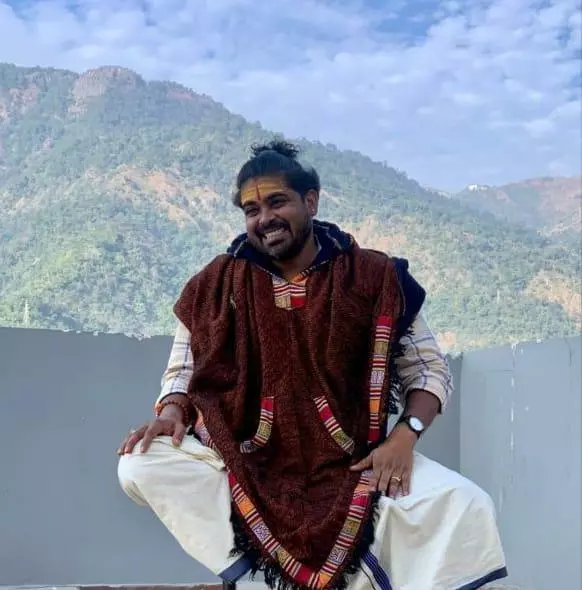
Ratheesh (Shiva)
Lead Ashtanga Instructor · Trained in Mysore, India
Shiva brings the dynamic energy of traditional Ashtanga Vinyasa yoga, having trained extensively in Mysore, India. His classes are challenging yet accessible, blending traditional sequencing with modern alignment insights.
The Ashtanga Philosophy
More Than Physical Exercise
Parampara - Lineage
Ashtanga is passed directly from teacher to student in an unbroken lineage. We honor this transmission by teaching the method as we received it, without unnecessary modifications.
Vinyasa - Breath Movement
Every movement is synchronized with breath. This creates internal heat, purifies the body, and steadies the mind. The breath leads, the body follows.
Bandhas - Energy Locks
Mula bandha (root lock), uddiyana bandha (abdominal lock), and jalandhara bandha (chin lock) contain and direct energy. These subtle techniques are essential to authentic Ashtanga.
Drishti - Gaze Point
Each pose has a specific gaze point - nose, thumbs, navel, etc. Drishti focuses attention inward and prevents distraction. It's an essential part of the practice.
Sadhana - Daily Practice
Ashtanga is traditionally practiced 6 days per week. Consistency is essential. The sequence becomes a moving meditation through repetition and dedication.
Our Ashtanga Approach from the Mysore Tradition
Traditional Teaching
We teach Ashtanga as transmitted from Mysore. Same sequences, same method, authentic tradition. No innovations that dilute the practice. Our instructors trained extensively in this lineage.
Proper Time
90-minute classes allow for complete primary series including proper rest. No rushing through poses that deserve attention. Traditional timing respects each component.
Small Groups
Maximum 6 students ensures individual attention. Ashtanga requires hands-on adjustments and careful observation. Your teacher knows your practice personally.
Progressive Development
Students add poses as they master previous ones. Traditional method builds sustainable, safe progress. We don't rush - solid foundation before complexity.
Himalayan Setting
Practice Ashtanga in the same mountain environment where yoga flourished for millennia. Clean air for pranayama, natural quiet for focus, sacred energy for dedication.
What Our Students Say
Verified reviews from real students
121 reviews

19 reviews
Marcel Noack
Germany
Just pay a visit and you will understand why this place is special. Authentic yoga teachings, peaceful environment, and wonderful hosts. A hidden gem in Pokhara.
Yoga RetreatLee Seung-hun
South Korea
The best yoga class in this city. With teachers who has warm heart.
Yoga ClassesTove Eklund
Sweden
Such a wonderful and empowering experience. Dedicated, hospitable and knowledgeable leaders. Clean and cozy facilities. Tasty and healthy food.
Yoga RetreatLise Crauwels
Belgium
Really nice spot to stay some days in Pokhara in between trekkings. Lovely yoga classes from Deepika 2 times a day. Oasis of peace with little garden in the center of Pokhara near the lakeside.
Yoga ClassesJoin hundreds of satisfied students
Get in TouchExplore More Yoga Styles
Discover more options within our yoga classes collection
Beginner Classes
Beginner-friendly yoga classes in Pokhara, Nepal. Small groups (max 6), no experience needed.
Yoga for Trekkers
Prepare for or recover from Himalayan treks with specialized yoga classes in Pokhara.
Traditional Yoga
Authentic Indian yoga practice following ancient lineage traditions.
Advanced Yoga
Challenging advanced yoga practice for experienced practitioners.
What to Bring
Essential items checklist for your yoga class in Pokhara. Everything you need to know.
Class FAQs
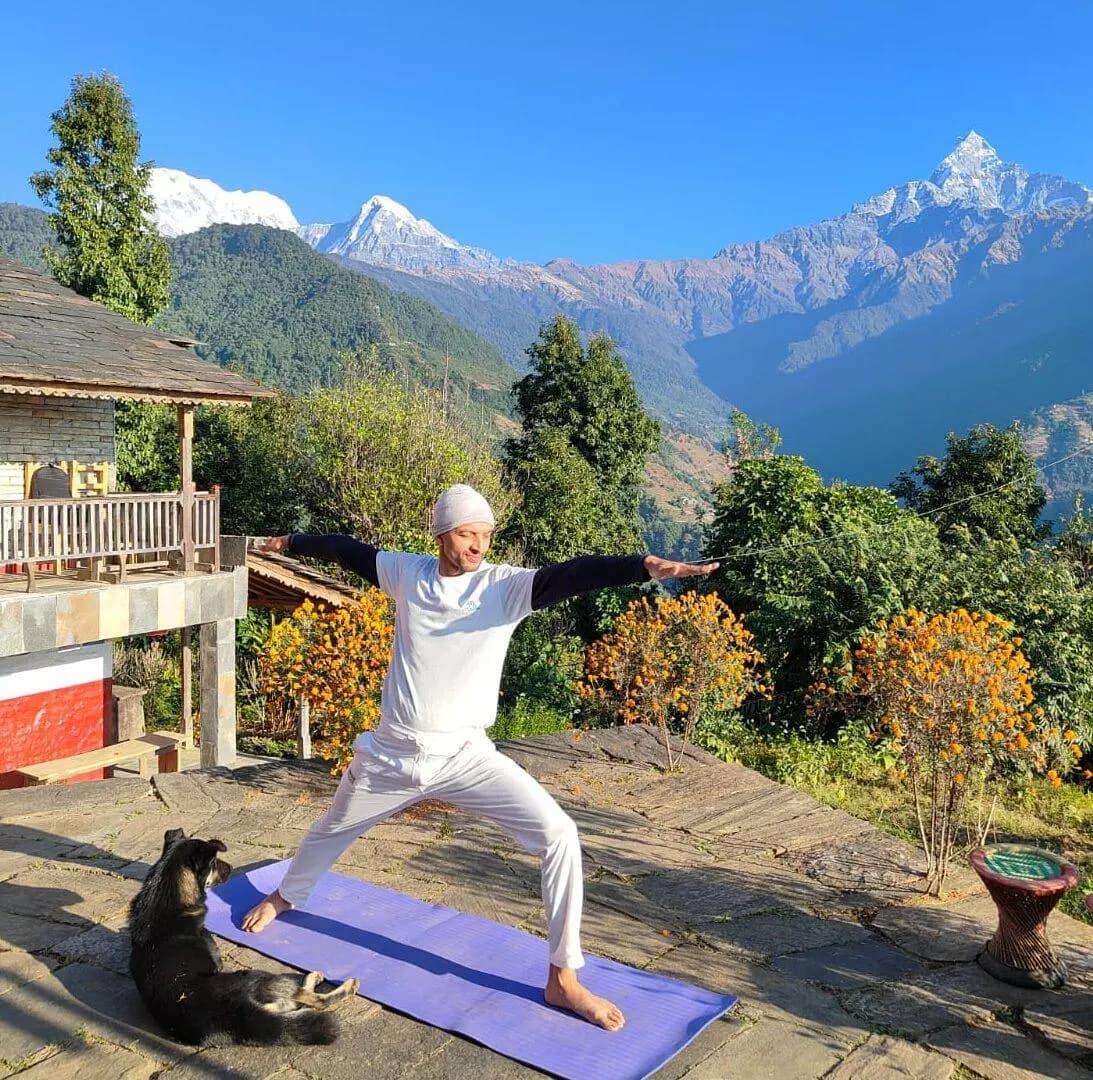
Written by
Swami AnandaSwami Ananda is the founder of Yoga in Pokhara, with over 10 years of teaching experience. Trained at ashrams in the Himalayas, he brings authentic yoga traditions to Pokhara, Nepal.
Ready for the Challenge?
Ashtanga demands discipline but rewards dedication. Join our traditional primary series practice and discover what committed yoga can achieve.