
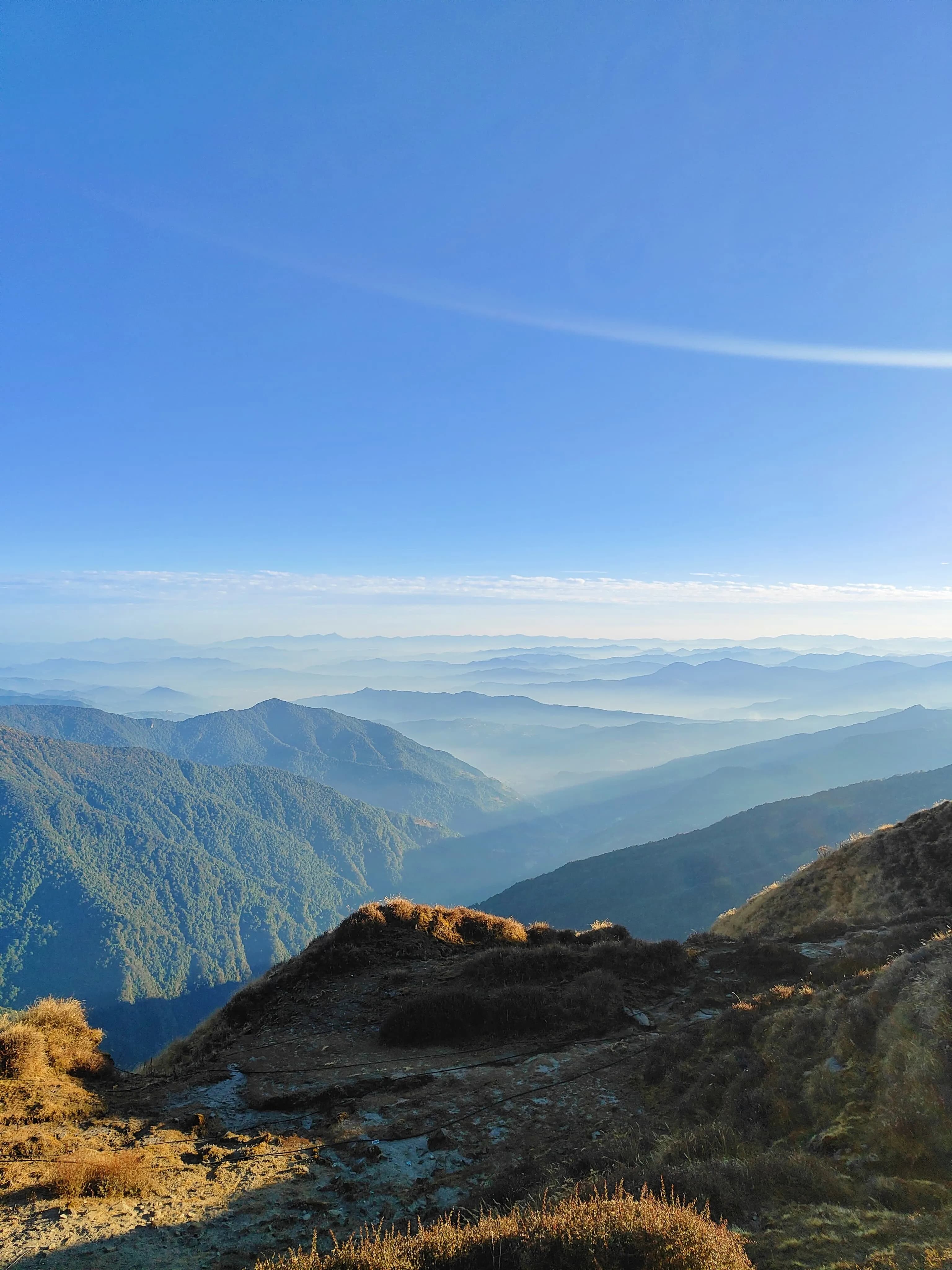
Understanding Climate for Your Practice
Weather in Pokhara for Yoga
Pokhara's weather directly affects your yoga experience - from crisp morning pranayama to clear mountain views. Here's what to expect throughout the year.
Weather Overview
Pokhara sits at approximately 800-1,100 meters elevation (higher in Ghachowk), giving it a subtropical highland climate. This means warm days, cool nights, and distinct seasons. Unlike tropical Bali or hot plains of India, Pokhara offers comfortable temperatures for yoga year-round.
The main weather factor is the monsoon (June-September), which brings heavy rain but also lush landscapes. Outside monsoon, weather is generally pleasant, with autumn (October-November) offering the clearest conditions.
Ghachowk sits about 300m higher than Lakeside Pokhara, meaning slightly cooler temperatures and often clearer views.
Seasonal Weather
Autumn (October-November)
ExcellentPerfect yoga weather. Clear skies, comfortable temperatures, low humidity. Best conditions for mountain views and outdoor practice.
Advantages
- Crystal clear mountain views
- Ideal practice temperatures
- Low humidity for pranayama
- Beautiful festival season
Considerations
- Peak tourist season
- Higher prices
- Book programs in advance
Winter (December-February)
GoodCool but sunny. Cold mornings require warm layers but days are pleasant. Excellent clarity for mountain views.
Advantages
- Clear skies and views
- Fewer tourists
- Lower prices
- Crisp air for pranayama
Considerations
- Cold mornings
- Need warm clothing
- Some may find mornings too cold
Spring (March-May)
GoodWarming weather with blooming rhododendrons. Clear mornings but clouds often build by afternoon. Good balance of weather and availability.
Advantages
- Pleasant temperatures
- Rhododendron blooms
- Good availability
- Clear mornings
Considerations
- Afternoon clouds
- Getting hot by May
- Pre-monsoon humidity rises
Monsoon (June-September)
ChallengingDaily rain, high humidity, limited mountain views. But green landscapes, few tourists, and lowest prices. Rain mostly afternoon/evening.
Advantages
- Lush green scenery
- Very few tourists
- Lowest prices
- Mornings often dry
Considerations
- Daily rain (mainly afternoon)
- High humidity
- Limited mountain views
- Possible travel disruptions
Month-by-Month Guide
January
Cold mornings (5-8°C), clear skies, excellent views
February
Warming slightly, clear conditions, good practice weather
March
Spring begins, pleasant temps, rhododendrons start blooming
April
Warm and pleasant, peak rhododendron season, some afternoon clouds
May
Getting hot (28-32°C), pre-monsoon humidity, occasional storms
June
Monsoon arrives, daily rain, high humidity, limited views
July
Peak monsoon, heavy rain, very humid, views rare
August
Wettest month, flooding possible, best to avoid
September
Monsoon weakening, rain decreasing, still humid
October
Ideal conditions, clear skies, perfect temperatures
November
Best visibility, dry and pleasant, peak season
December
Cold but clear, fewer crowds, good value
How Weather Affects Yoga Practice
Temperature
Morning practice is cool year-round (bring layers in winter). Afternoon sessions are comfortable October-April. Summer afternoons can be warm but indoor spaces stay pleasant.
Humidity
Monsoon humidity (70-90%) affects pranayama comfort. Autumn/winter humidity (40-60%) is ideal for breath work. Clean mountain air at Ghachowk is excellent for respiratory practices.
Mountain Views
Clear views significantly enhance practice atmosphere. October-February offers best viewing. Spring mornings usually clear. Monsoon views are rare.
Rain & Practice
All indoor practice continues regardless of weather. Some outdoor sessions may move inside during monsoon. Rain sounds can actually enhance meditation.
What to Pack by Season
October-November (Autumn)
- • Light layers for morning/evening
- • T-shirts for daytime
- • Light jacket or fleece
- • Sun protection
- • Good for outdoor practice
December-February (Winter)
- • Warm layers essential
- • Fleece or light down jacket
- • Warm hat for early mornings
- • Warm socks
- • Practice in layers to shed as you warm up
March-May (Spring)
- • Mix of light and medium layers
- • Rain jacket for occasional showers
- • Sunscreen and hat
- • Allergy medication if sensitive
- • Comfortable for most practice
June-September (Monsoon)
- • Light, quick-dry clothing
- • Good rain jacket
- • Waterproof bag for electronics
- • Sandals that can get wet
- • Extra clothes (things stay damp)
Plan your visit: check best time for yoga in Nepal. Ready to practice? Join our classes.
Frequently Asked Questions
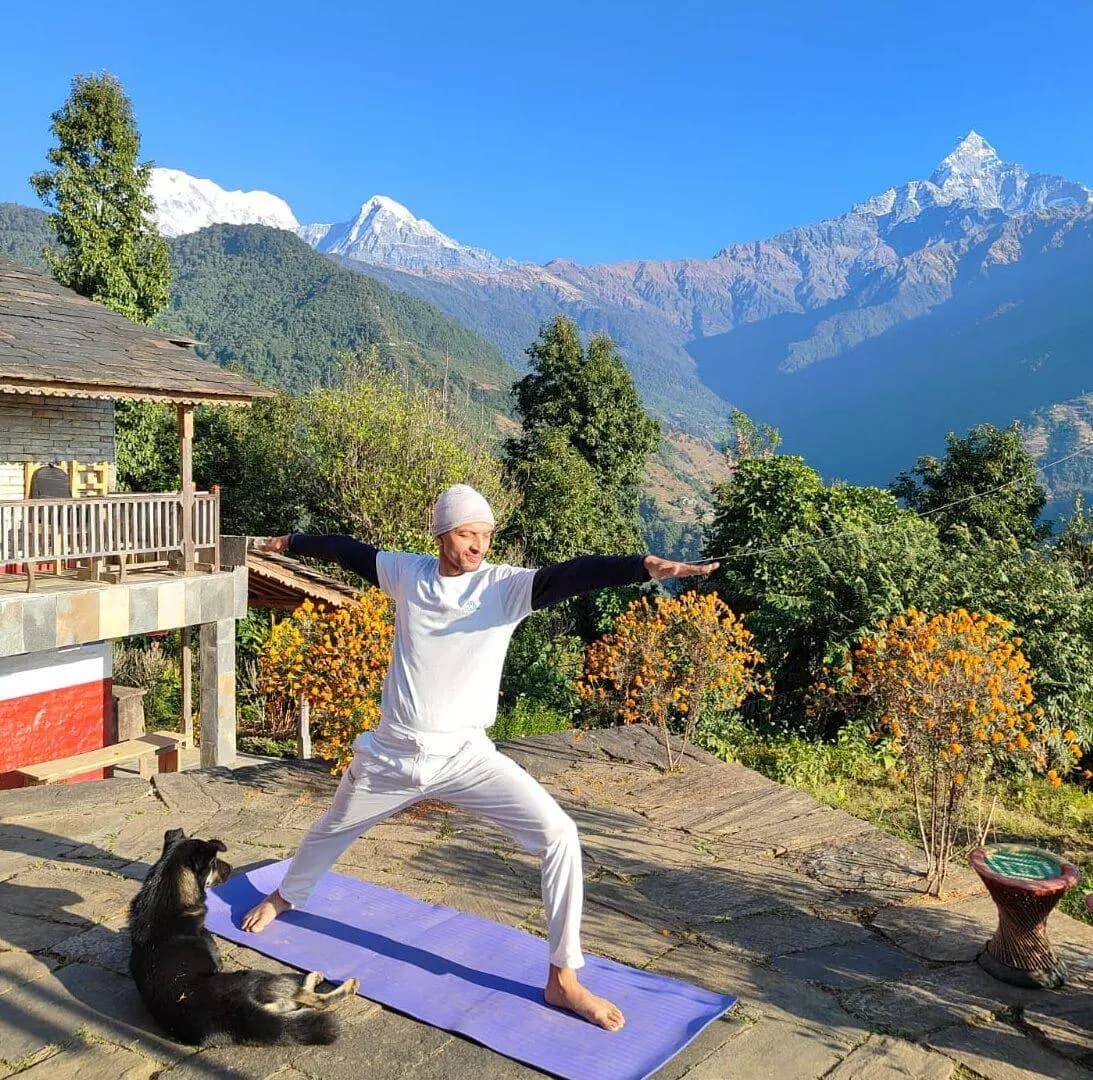
Written by
Swami AnandaSwami Ananda is the founder of Yoga in Pokhara, with over 10 years of teaching experience. Trained at ashrams in the Himalayas, he brings authentic yoga traditions to Pokhara, Nepal.
Plan Your Visit
Weather is just one factor in timing your visit. Contact us to discuss the best timing for your specific goals.