
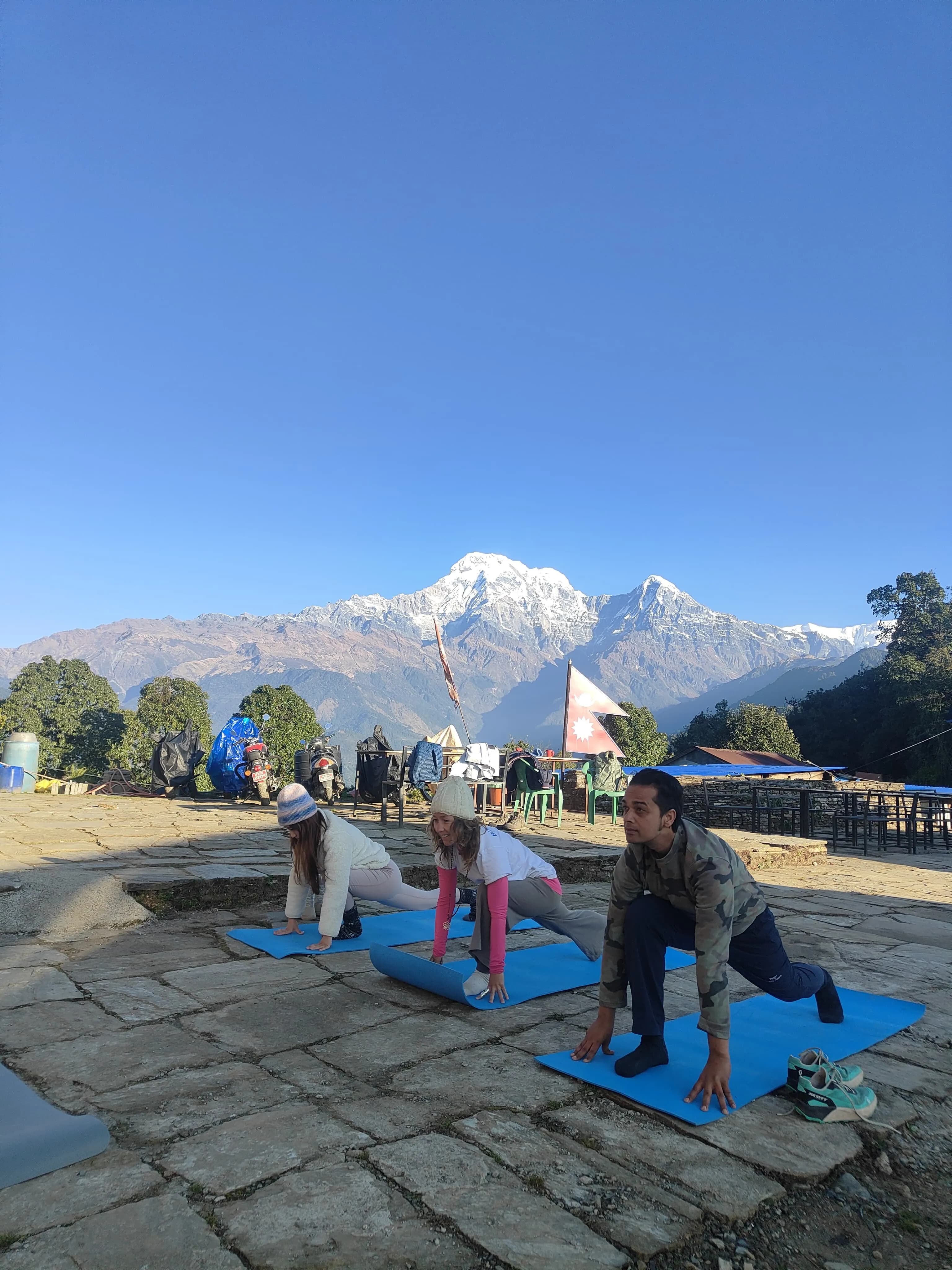
Complete Guide to YTT Programs in the Himalayas
Yoga Teacher Training in Nepal
Discover why Nepal has become a premier destination for affordable, high-quality yoga teacher training. Yoga Alliance certified programs in the shadow of the world's highest mountains.
Why Nepal for Yoga Teacher Training?
Nepal has emerged as one of the world's top destinations for yoga teacher training, offering a compelling combination of authentic teaching, Himalayan inspiration, and exceptional value. While India remains the spiritual birthplace of yoga and Bali attracts with its tropical beauty, Nepal provides something increasingly rare: genuine traditional teaching in an unspoiled mountain setting at accessible prices.
The Himalayan mountains aren't just scenery - they create an energetic environment that supports intensive study and inner transformation. Many students report that the mountain presence helps them go deeper in meditation and practice than they could in ordinary settings. Add to this Nepal's Buddhist-Hindu spiritual heritage, welcoming culture, and established yoga infrastructure, and you have ideal conditions for transformative teacher training.
Most international students choose Pokhara for YTT due to its unobstructed Himalayan views, clean air, and peaceful environment - advantages that Kathmandu cannot match.
YTT Cost Comparison: Nepal vs Other Destinations
Nepal offers exceptional value without compromising quality. Here's how costs compare across popular YTT destinations for 200-hour certification.
| Location | Typical Cost | What's Included | Quality | Setting |
|---|---|---|---|---|
| NepalBest Value | $1,200 - $1,800 | Accommodation, meals, materials, certification | High quality, authentic lineage | Himalayan mountains, peaceful |
| India (Rishikesh) | $1,800 - $2,500 | Similar to Nepal | Excellent, traditional | Ganges river, often crowded |
| Bali | $2,500 - $3,500 | Often more luxurious facilities | Good but commercialized | Tropical, beach/jungle |
| Western Countries | $3,000 - $5,000+ | Usually just tuition | Varies widely | Urban studios typically |
Less expensive than Bali
Less expensive than India
Less expensive than Western YTT
Where to Do Teacher Training in Nepal
Location significantly impacts your YTT experience. Here are Nepal's main options.
Pokhara
Best ChoiceAdvantages
- •Direct Annapurna Himalayan views
- •Clean mountain air for pranayama practice
- •Peaceful environment supporting intensive study
- •Established yoga community
- •Good tourist infrastructure
- •Trekking opportunities for breaks
Considerations
- •Limited nightlife (but that's often a benefit for focused study)
- •Fewer program options than Kathmandu
Kathmandu
Most OptionsAdvantages
- •Highest number of YTT programs
- •Cultural sites and temples
- •Easy international access
- •Urban conveniences
Considerations
- •Significant air pollution
- •Urban noise and distractions
- •Traffic chaos
- •Less peaceful environment for intensive study
Remote Mountain Areas
Ultimate PeaceAdvantages
- •Complete isolation for focused practice
- •Stunning natural beauty
- •Traditional Himalayan setting
Considerations
- •Difficult access
- •Basic facilities
- •Limited backup options if issues arise
- •Can feel too isolated for some
Types of Teacher Training Available
200-Hour YTT
The foundational certification for yoga teaching. Covers asana, pranayama, meditation, anatomy, philosophy, and teaching methodology. Typically runs 3-4 weeks intensive or part-time over several months.
Duration: 21-28 days (intensive)
Cost: $1,200 - $1,800
Prerequisites: 6-12 months practice
Certification: Yoga Alliance RYT 200
300-Hour Advanced YTT
Advanced training for those who completed 200-hour. Deeper study of all aspects plus specialized topics. Together with 200-hour equals 500-hour certification (highest standard).
Duration: 4-5 weeks
Cost: $1,800 - $2,500
Prerequisites: RYT 200 certification
Certification: Yoga Alliance RYT 500
Specialized Training
Focus on specific areas: prenatal yoga, yoga therapy, Yin yoga, meditation, pranayama, or Ayurveda. Can be taken independently or as continuing education for certified teachers.
Examples: Prenatal, Yoga Therapy, Yin Yoga, Meditation
Refresher Courses
For certified teachers wanting to deepen knowledge, maintain certification, or reconnect with practice. Often shorter duration with flexible scheduling.
Duration: 1-2 weeks typically
What to Expect During YTT in Nepal
Daily Routine
Day activities differ by the yoga plan or services you choose.
Curriculum Components
Asana (Physical Practice)
Detailed study of poses, alignment principles, modifications, use of props, sequencing, and personal practice development.
Pranayama (Breathwork)
Various breathing techniques, their effects, contraindications, and how to teach them safely to students.
Meditation & Philosophy
Yoga Sutras of Patanjali, Bhagavad Gita, meditation techniques, yogic lifestyle, ethics (yamas and niyamas).
Anatomy & Physiology
Musculoskeletal system, common injuries, contraindications, body mechanics, and safe teaching practices.
Teaching Methodology
How to teach, class sequencing, verbal cues, hands-on adjustments, class management, and working with different levels.
Practicum (Teaching Practice)
Practice teaching to peers with feedback, developing teaching skills, building confidence, and finding your teaching voice.
Accommodation & Food
Most Nepal YTT programs include shared or private accommodation in clean, comfortable facilities with mountain views. Rooms are simple but adequate, typically with attached bathroom, hot water, and WiFi. Meals are vegetarian (sattvic diet supporting practice), usually three meals per day with tea breaks.
Accommodation standards vary by price point. Budget programs offer basic but clean shared rooms. Mid-range includes nicer facilities and private rooms. Premium programs may offer resort-like settings with additional amenities.
Best Time for YTT in Nepal
Peak Season
October - November
Ideal conditions: clear mountain views, comfortable temperatures, stable weather. This is the most popular time, so book 2-3 months in advance.
March - May
Excellent alternative to autumn. Warming weather, rhododendron blooms, slightly fewer crowds. Views not quite as clear but still beautiful.
Off-Peak Options
December - February
Cold but manageable in Pokhara (colder in mountains). Clear skies and views. Good for those who don't mind cooler temperatures and want fewer tourists.
June - September (Monsoon)
Not recommended unless necessary. Heavy rain, clouds blocking views, humidity, leeches on trails. Some programs still run with discounted rates.
Pro tip: Most Pokhara YTT programs run year-round, with new cohorts starting monthly. This flexibility means you can choose timing based on your schedule rather than limited dates. View upcoming YTT dates.
Yoga Alliance Certification Explained
Yoga Alliance is the largest international yoga certification body, setting standards for teacher training programs worldwide. Here's what you need to know:
What is Yoga Alliance?
Yoga Alliance (based in USA) maintains standards for yoga teacher training programs and registers both schools (RYS - Registered Yoga School) and individual teachers (RYT - Registered Yoga Teacher). Their certification is recognized globally as the industry standard.
Is Nepal YTT Yoga Alliance Certified?
Many Nepal programs are Yoga Alliance certified (registered as RYS 200 or RYS 300). Always verify that your chosen program is officially registered before enrolling - check the Yoga Alliance website directory. Some programs may claim certification without being officially registered.
RYT 200 vs RYT 500 Certification
- •RYT 200: Foundational certification from 200-hour program. Qualifies you to teach general yoga classes at most studios.
- •RYT 500: Advanced certification requiring 500 total hours (200 + 300). Demonstrates deeper knowledge and often required for senior teaching positions.
Maintaining Your Certification
Yoga Alliance certification requires renewal and continuing education:
- • Annual registration fee ($115 for RYT 200, $185 for RYT 500)
- • 30 continuing education hours every 3 years (RYT 200)
- • 45 hours every 3 years (RYT 500)
- • Minimum teaching hours (45/year for RYT 200, 60/year for RYT 500)
Common Questions About YTT in Nepal
Written by
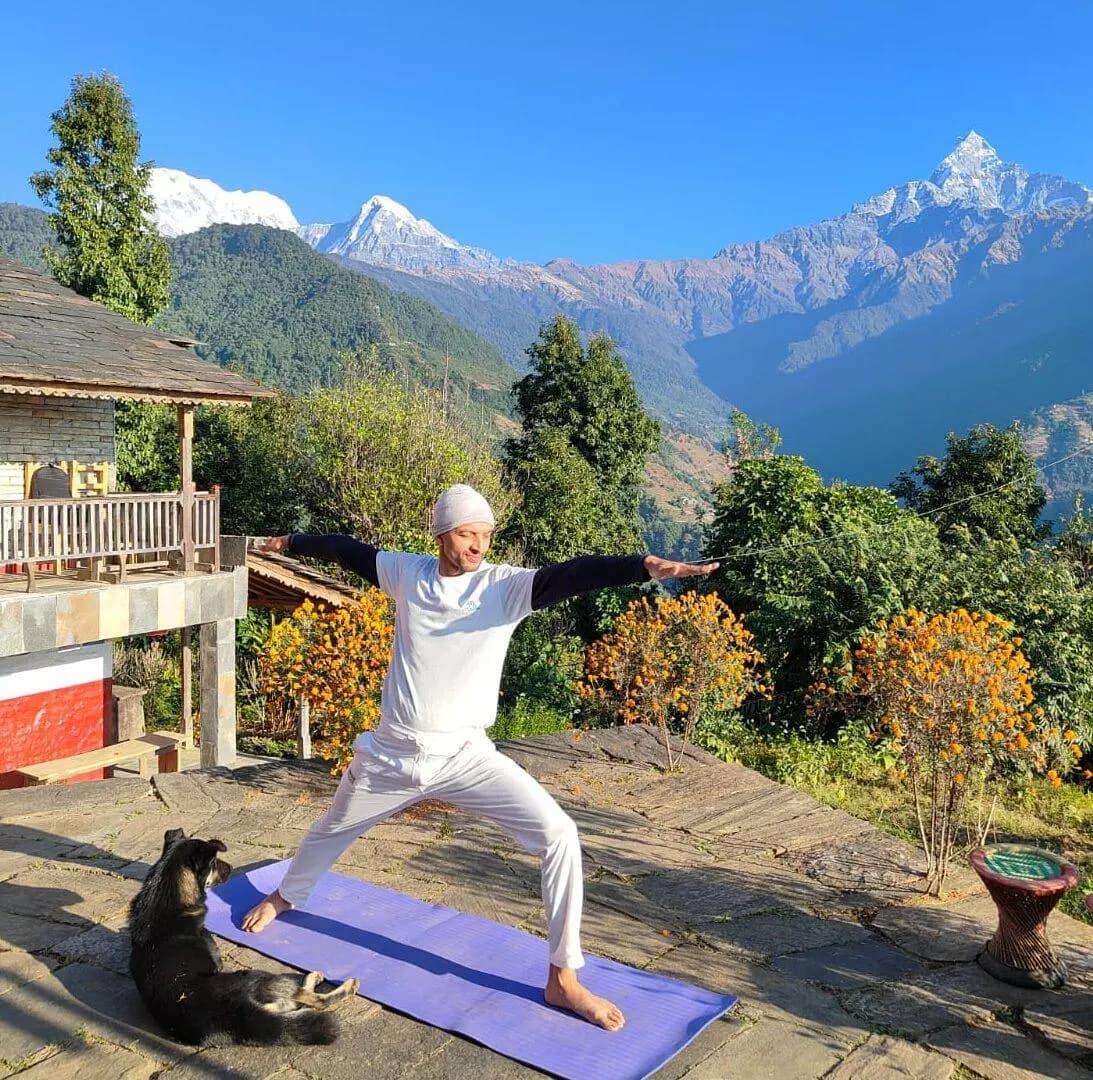
Swami AnandaSwami Ananda is the founder of Yoga in Pokhara, with over 10 years of teaching experience. Trained at ashrams in the Himalayas, he brings authentic yoga traditions to Pokhara, Nepal.
Ready to Begin Your Teaching Journey?
Join us in Pokhara for Yoga Alliance certified teacher training in the heart of the Himalayas. Transform your practice and empower others through authentic yoga teaching.