
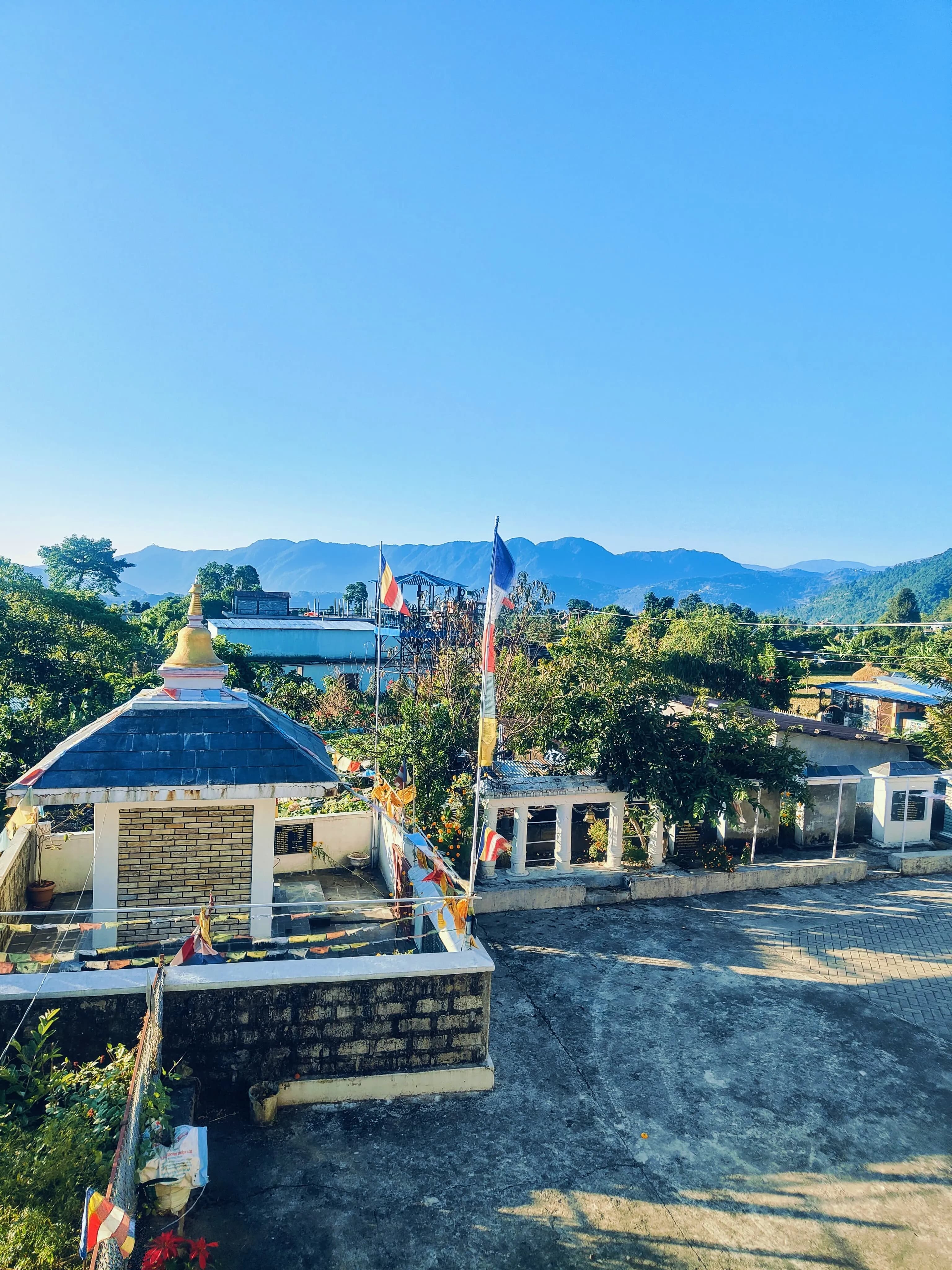
Hindu-Buddhist Heritage, History & Living Tradition
Yoga Culture in Nepal
Two traditions that split philosophically 2,500 years ago share the same temples here. This is the history, the sacred geography, and the festival calendar behind Nepal's yoga culture.
Where Spirituality Permeates Daily Life
Nepal is not a country where you go to "do yoga." It's a country where yoga - in its broadest sense of spiritual practice - permeates everything. Morning temple bells, incense wafting from household shrines, sadhus meditating in public squares, prayer flags fluttering on mountain passes. Spirituality here isn't confined to designated spaces; it's woven into the fabric of daily existence.
This creates something precious for yoga practitioners: an environment that constantly supports and reinforces practice. You're not isolating your yoga hour from an otherwise secular day. The culture itself keeps drawing your attention back to the spiritual, the meditative, the contemplative. It's easier to maintain practice when everything around you supports it.
The culture also offers something unique: a genuine fusion of Hindu and Buddhist traditions. The two paths, which separated philosophically over 2,500 years ago, coexist here in remarkable harmony. Practitioners of both traditions share temples, worship overlapping deities, and borrow practices freely. This syncretic environment reflects yoga's own non-sectarian nature.
This page is about the culture itself - its history, its sacred sites, and its festivals. If you are weighing up where to actually go and practice, read our guide to yoga in Nepal and why practitioners choose it over India or Bali, which covers destinations, costs, visas and seasons.
What Makes Nepal's Yoga Culture Unique
Hindu-Buddhist Fusion
Nepal is the only country where Hindu and Buddhist traditions have merged so completely. The same deities are worshipped by both religions, temples host practitioners of both paths, and spiritual practices draw from both traditions. This fusion creates a uniquely accepting and syncretic yoga environment.
Living Tradition
Unlike museums of spirituality, Nepal's yoga culture is actively practiced daily. Morning pujas (worship) at temples, meditation sessions at monasteries, and yoga classes in ashrams continue traditions that have remained unbroken for centuries. You're not visiting a historical artifact - you're participating in living practice.
Birthplace of Buddha
Siddhartha Gautama was born in Lumbini, Nepal. His teachings on meditation and the cessation of suffering influenced yoga philosophy profoundly. Practicing yoga in Buddha's homeland adds a layer of historical and spiritual significance unavailable elsewhere.
Sacred Geography
Nepal's landscape is considered sacred. Mountains are seen as the abode of gods (Shiva on peaks, Vishnu in valleys). Rivers flowing from the Himalayas carry sacred energy. This worldview transforms the entire country into a spiritual practice ground, not just designated "yoga centers."
Sacred Sites to Visit
Enhance your yoga journey by visiting Nepal's spiritual landmarks. These sites offer meditation opportunities, cultural context, and connection to living traditions.
Pashupatinath Temple
Nepal's most sacred Hindu site dedicated to Lord Shiva. Sadhus (holy men) practice yoga and austerities on the temple grounds. Witness cremation ceremonies on the Bagmati River.
Boudhanath Stupa
One of the largest Buddhist stupas in the world. Circumambulate with pilgrims, attend monastery teachings, and meditate in the peaceful atmosphere.
Swayambhunath (Monkey Temple)
Ancient hilltop stupa with both Buddhist and Hindu shrines. Panoramic valley views and resident monkeys. Morning meditation sessions available.
World Peace Pagoda
White stupa overlooking Phewa Lake and the Annapurna range. Peaceful hiking destination, sunrise and sunset meditation, spectacular mountain views.
Bindhyabasini Temple
Hilltop temple dedicated to goddess Durga. Important for understanding local Hindu practice. Daily worship, especially active during festivals.
Lumbini
Buddha's birthplace. Maya Devi Temple marks the exact birth spot. Monasteries from every Buddhist nation. UNESCO World Heritage Site.
Spiritual Festivals
Timing your visit with major festivals offers deeper immersion in Nepal's spiritual culture.
Shivaratri
February/MarchThe "Great Night of Shiva" - Nepal's most important yoga-related festival. Thousands of sadhus gather at Pashupatinath for all-night meditation and rituals.
Buddha Jayanti
May (full moon)Celebrates Buddha's birth, enlightenment, and death. Processions, monastery ceremonies, and special meditation sessions throughout Buddhist sites.
Dashain
September/OctoberNepal's largest festival celebrating goddess Durga's victory over demons. 15 days of family gatherings, temple visits, and spiritual renewal.
Tihar
October/NovemberFestival of lights honoring various beings including dogs, crows, and Lakshmi (goddess of wealth). Beautiful oil lamp displays and meditation on gratitude.
Note: October-November (autumn season) coincides with both Dashain and Tihar festivals, offering optimal weather and rich cultural experiences simultaneously. See our seasonal guide for more details.
Participating in Living Tradition
Nepal's yoga culture isn't something to observe from outside - you can actively participate. Here's how to engage respectfully with living traditions during your yoga journey.
Temple Visits
- Remove shoes before entering temple grounds
- Dress modestly (cover shoulders and knees)
- Walk clockwise around stupas and temples
- Ask before photographing people or rituals
Monastery Stays
- Many monasteries welcome visitors for meditation
- Kopan Monastery (Kathmandu) offers regular courses
- Follow monastery schedules and silence rules
- Donations appreciated but not required
Questions About Nepal's Yoga Culture
Written by
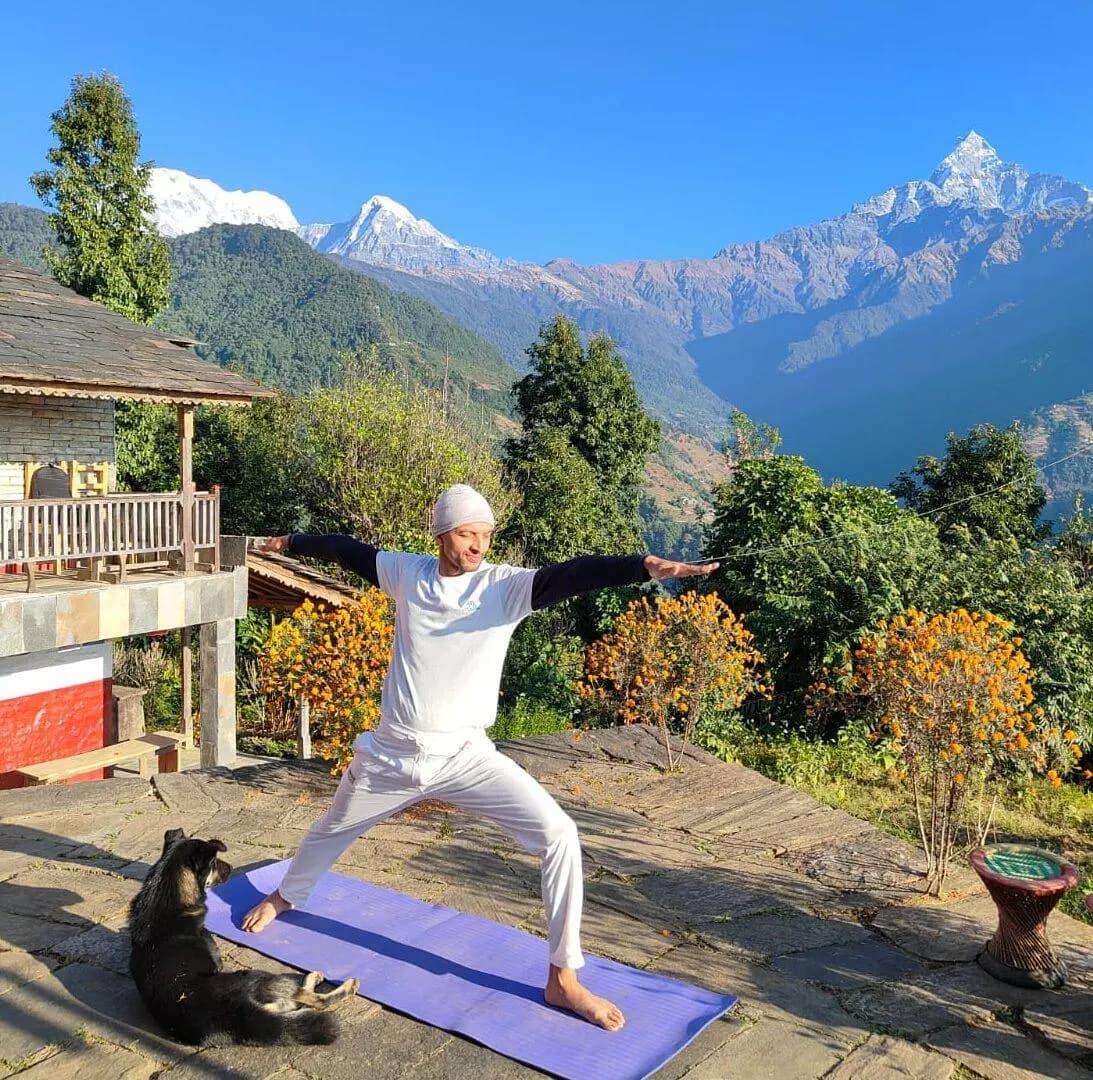
Swami AnandaSwami Ananda is the founder of Yoga in Pokhara, with over 10 years of teaching experience. Trained at ashrams in the Himalayas, he brings authentic yoga traditions to Pokhara, Nepal.
Experience Nepal's Spiritual Culture
Immerse yourself in Nepal's unique yoga culture. Practice yoga where spirituality permeates daily life, where Hindu and Buddhist traditions merge, and where mountains are considered sacred.